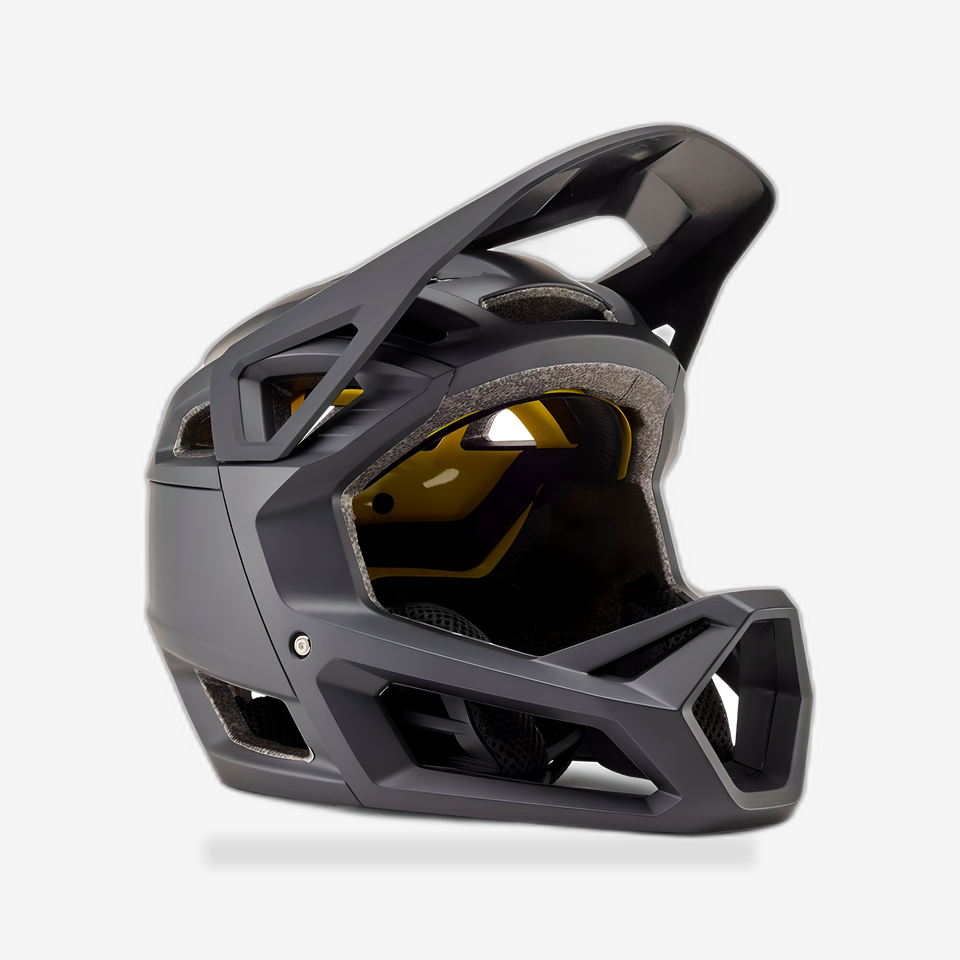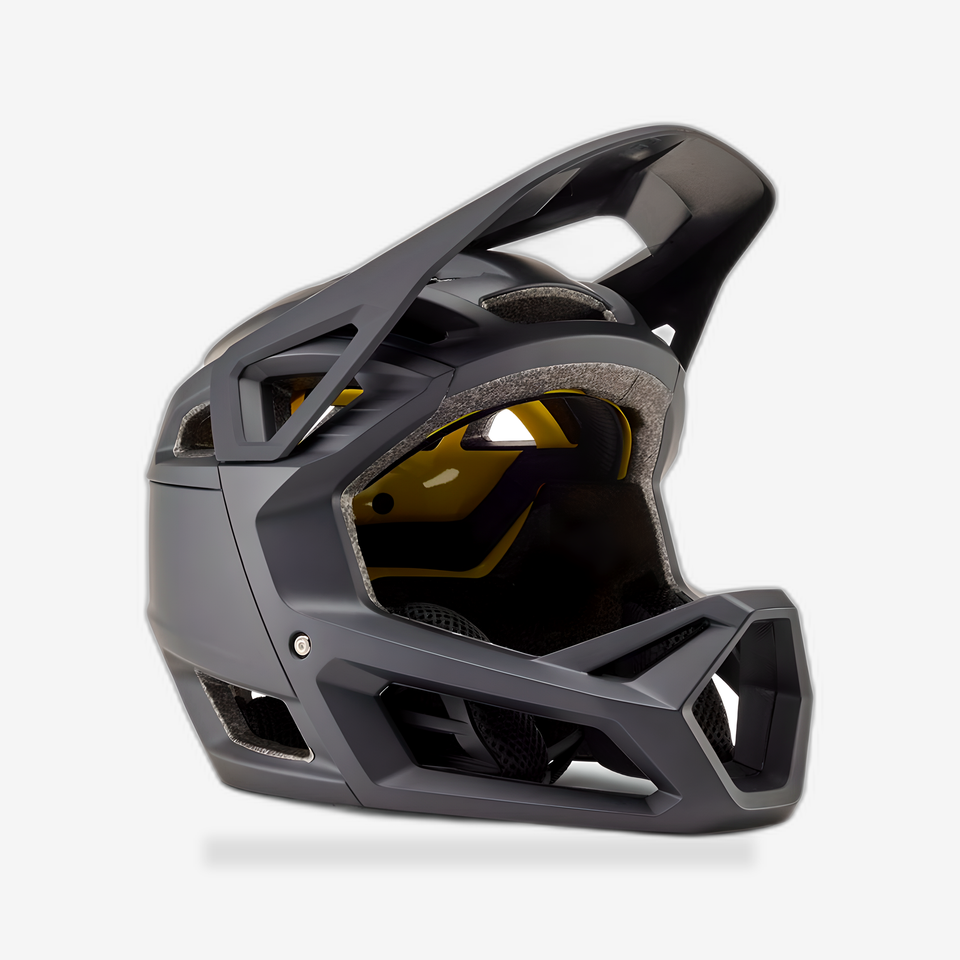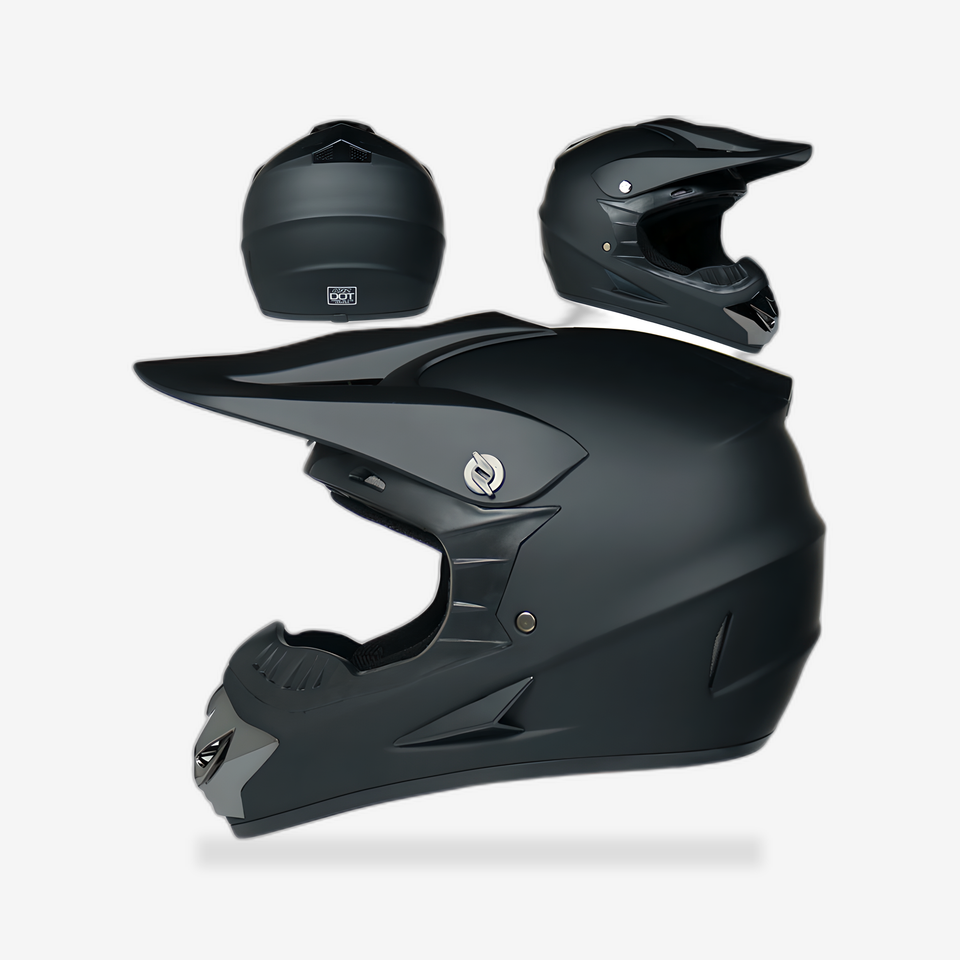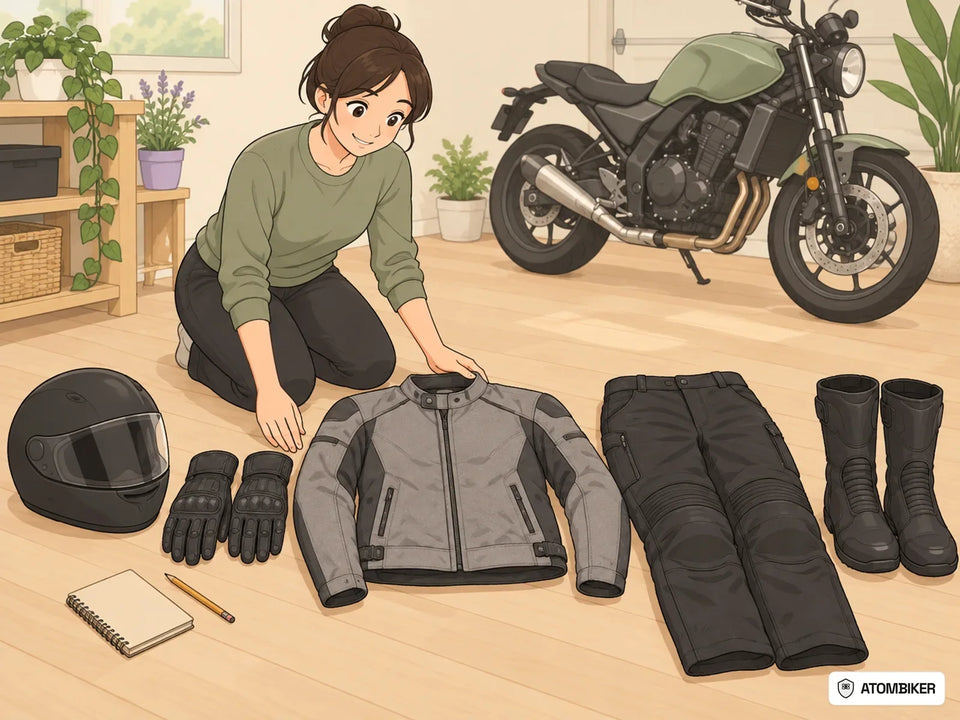

Your helmet head shape is round oval, intermediate oval or long oval, named for how your head's front-to-back length compares with its side-to-side width when seen from above. Find yours at home with an overhead photo and a log of where your current helmet presses: forehead pressure means a longer head, temple pressure a rounder one.
Intermediate oval is the interior most helmets are built around, and Arai says it gives "a great majority of riders" a good fit out of the box. Arai labels shape by model, with the Quantum-X on a round oval interior and the Signet-X on a long oval one, while Shoei adjusts pads to each rider's head through its dealers. A head between two shapes starts with intermediate oval and fine-tunes with removable pads, and shape decides which interior fits while your tape measure still sets the starting size.
What are the three helmet head shapes?
The three helmet head shapes are outlines of the skull seen from above, and each one matches a helmet interior of the same name. None of them is a true circle. Arai describes even its round oval interior as "not completely round," only the most symmetrical of the three.
The three head shapes are defined below, starting with the one most helmets are built for.
- An intermediate oval head is slightly longer front to back than side to side, close to the outline of an egg.
- A round oval head measures almost the same front to back as side to side, close to the outline of a soccer ball.
- A long oval head is much longer front to back than side to side, close to the outline of a football.
The names describe helmet interiors as much as heads. Two helmets with the same size label can have different shapes inside, which is why a medium from one brand sits evenly on a head that a medium from another brand squeezes.
How do you find your head shape at home?
You find your head shape at home by pairing two clues: an overhead photo that shows your skull's outline, and a pressure log from any helmet you already own. The photo suggests the shape, and the log confirms it.
Follow these six steps in order.
- Flatten your hair under a swim cap, or wet it and comb it flat, so the head shape photo shows your skull instead of your hair.
- Sit upright with your chin level and your eyes straight ahead, so the photo of your head isn't tilted.
- Have a helper hold a phone flat and directly above the crown of your head, and take a head shape photo that shows the whole outline, forehead to the back of the skull.
- Read the head outline in the photo: a near circle reads round oval, an egg reads intermediate oval, and a long, narrow egg reads long oval.
- Fasten a helmet you own, wear the helmet indoors for 10 minutes, then note every spot where the helmet left a red mark or an ache: forehead, temples, sides, back of the head or crown.
- Compare the helmet pressure log with the photo, and keep the head shape both clues agree on.
Two hardback books give a rough number check. Hold one flat against each side of your head above the ears while a helper measures the gap, then repeat front to back. The closer your width gets to your length, the rounder your head. No helmet maker publishes a cutoff ratio for each shape, so use the numbers to compare, not to decide.
Retake the photo if the phone was tilted. A tilted shot stretches the outline in one direction.

What do pressure points tell you about your head shape?
Pressure points tell you which way your head differs from the helmet's interior: hot spots at the front and back mean your head is longer than the helmet, and hot spots at the temples or sides mean it's rounder. A hot spot is one point that presses harder than the area around it.
Arai built its long oval Signet-X as an answer to the forehead hot spot that so many riders put up with. The temples work the same way in reverse. A helmet that squeezes them isn't round enough for your head.
Each pressure spot below is matched to the shape mismatch it usually signals and the interior to try next.
| Where the helmet presses | Likely mismatch | What to try next |
|---|---|---|
| A red line across the forehead | Head longer than the interior | One step longer: intermediate oval after round, long oval after intermediate |
| Forehead and back of the head, with gaps at the sides | Long oval head in a rounder helmet | A long oval interior in the same size |
| Temples, just above and in front of the ears | Head rounder than the interior | One step rounder: intermediate oval after long, round oval after intermediate |
| Both sides of the head, with space at the forehead and back | Round oval head in a longer helmet | A round oval interior in the same size |
| Cheeks and jaw only | Cheek pad thickness, not head shape | Thinner cheek pads in the same helmet |
| Tight everywhere, with no single hot spot | Size, not shape | A fresh head measurement |
| Firm, even contact and no hot spot | Shape and size both match | The same interior shape in other models |
Read the log only from a helmet close to your measured size. A helmet one size too small presses everywhere and hides the shape clue. The 10-minute indoor wear test behind the log is laid out step by step in our helmet fit test guide.

Which head shape is most common?
Intermediate oval is the most common head shape among US riders, according to US gear editors, and it's the shape most helmets are built around. Arai uses it in most of its models and says it fits "a great majority of riders" out of the box.
Retail listings point the same way. One large US gear retailer's helmet filter, checked in October 2026, showed 965 intermediate oval listings against 85 round oval and 44 long oval listings. Those figures count helmets, not heads, but they show how much choice each shape gets.
Neither Arai nor the gear editors cites a survey of US riders' head shapes, so "most common" is an industry consensus, not a measured share. Ancestry plays a part as well. A 2010 study in Applied Ergonomics by Roger Ball and colleagues notes that head proportions differ between Chinese and Caucasian populations, enough that no single design of helmet, eyewear or face mask fits both groups well.
For a rider with a round or long oval head, the practical upshot is a shorter list of helmets that fit, so knowing your shape before you shop saves wasted orders.
How do helmet brands label head shapes?
Helmet brands handle head shape in one of three ways: they name an interior shape for each model, they fit the helmet to your head through dealers, or they publish no shape at all. Arai is the clearest example of the first approach and Shoei of the second.
- Arai names three interior shapes by model: the Quantum-X uses round oval, the Signet-X uses long oval, and most other Arai helmets use intermediate oval.
- Shoei fits helmets to the head through dealers: its Personal Fitting System measures the head with a dedicated instrument, then software suggests a size and where to adjust the head pads.
- Many other helmet brands publish no shape, and US retailers often add head shape filters of their own, which may not come from the maker.
The labels inside a helmet won't settle it either. FMVSS 218, the federal standard behind the DOT sticker, requires a label with the maker's name, the size, the month and year of manufacture and the shell and liner materials, and head shape isn't on that list. Check the maker's own page when a shape tag decides your purchase.
What if your head shape is between two shapes?
A head between two shapes starts in an intermediate oval helmet, then moves one step toward whichever hot spot shows up. US gear editors give the same advice: when the photo won't settle it, intermediate oval is the best first bet.
Let the forehead and temples decide. A faint forehead line in an intermediate oval helmet points one step longer, and a temple squeeze points one step rounder. Arai's own fitting advice is to start with your measured size and try all three of its interior shapes, so try both neighbors before ruling either out.
Micro-fitting covers the last bit of the gap. Arai's intermediate oval helmets have a peel-away temple pad and a removable 0.2 in (5 mm) layer in the cheek pads, and Arai sells optional thicker or thinner interior padding.
Can cheek pads or liners change a helmet's shape fit?
Yes, cheek pads and liners can fine-tune a helmet's shape fit, but they can't turn one interior shape into another unless the maker designed the helmet for it. Pads adjust by a few millimeters, and the foam liner behind them keeps its molded shape.
Arai's Quantum-X is the designed exception. Arai says installing the head liner from a Signet-X or Corsair-X turns the round oval Quantum-X into an intermediate oval helmet. Shoei's dealer fitting works in a similar spirit, fixing fitting pads in the upper head area to match the shape it measures.
Never cut, sand or carve the foam liner to ease a hot spot. That foam is the part that protects your head in a crash.
Does head shape change your helmet size?
No, head shape doesn't change your measured size, because size comes from your head's circumference and shape comes from its outline. Shape does change which size fits in a given model. Arai notes that a rider in the right interior shape sometimes fits a smaller helmet than the tape suggests.
Sizing up to escape a hot spot works against you. The forehead stops hurting, and the sides go loose. The Sizing Guide says to err on the snug side, because the liner compresses with wear, and a size-up for a shape problem moves the other way.
Where can you find helmets for intermediate oval heads?
Intermediate oval helmets are the easiest shape to find, because makers and retailers carry far more of them than round or long oval helmets.
AtomBiker, a US online store for motorcycle helmets, jackets, gloves, boots and pants, doesn't list a head shape on its helmet pages. Start from your measured size and your home shape test when you browse its motorcycle helmets, wear a new helmet indoors first, and check the 30-day return conditions before you ride in it.
Frequently asked questions
Can a tape measure tell you your head shape?
No, a tape measure gives your head circumference, which sets your helmet size, not your head shape. Two heads with the same circumference can be round or long, and only the outline from above shows which. Take your size with our guide on how to measure your head for a motorcycle helmet and your shape with a photo.
Will a new helmet break in to fit your head shape?
No, break-in won't fix a shape mismatch. Break-in compresses the padding, and the Snell Memorial Foundation says worn-out pads leave a helmet at least one to two sizes larger than new, so a helmet that only stops pressing your forehead after break-in ends up loose elsewhere.
Why does one helmet brand fit you and another doesn't?
One brand fits and another doesn't because each brand builds around its own interior shape, so the same size label hides different shapes inside from brand to brand. A long oval head feels this most, since an intermediate oval medium presses the forehead while a long oval medium sits evenly. Shape is one step in our guide to choosing a motorcycle helmet by riding style and head shape.
Is it safe to ride in a helmet that's the wrong head shape?
No, a wrong-shape helmet is a poor safety choice, because it either presses hard enough to distract you or gets bought a size large and fits loose. Bell's motorcycle helmet instruction manual says a helmet that comes off when rolled forward or backward doesn't fit and shouldn't be worn.
Does long hair change the head shape test?
Yes, long or thick hair hides your outline in an overhead photo, so flatten it under a swim cap or wet it first. Wear your hair the way you ride when you test a helmet, since a ponytail or bun changes how the back of the helmet sits.
Shop this guide
Start with the right questions.
Compare construction, fit and features. Open each product for its available sizes, current price and stated certifications.